Fizzy & Older Adults
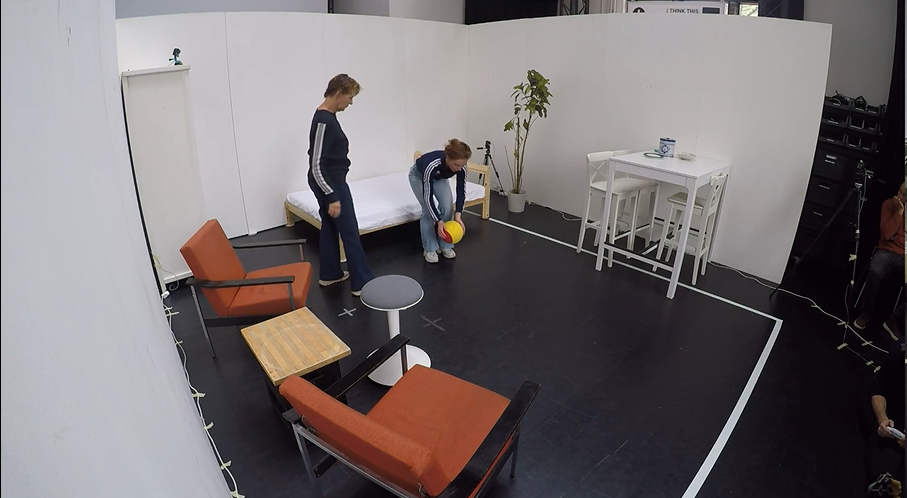
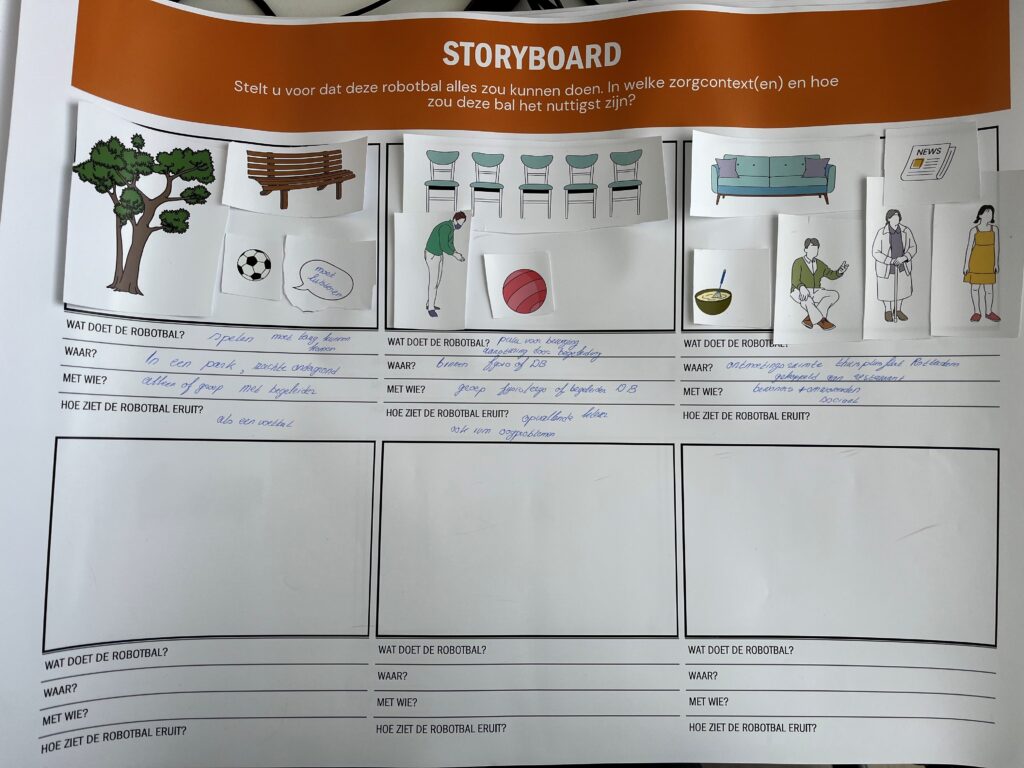
Our ongoing research studies with older adults, healthcare professionals, and theatre practitioners highlights Fizzy’s potential across diverse areas of geriatric care and informs how it can be tailored to the specific needs and characteristics of each setting.
Fizzy for geriatric rehabilitation
Fizzy has the potential to make rehabilitation more engaging for older adults at home, in hospitals, or specialized care centers¹ ².
- At home, it can provide low-threshold social and physical stimulation or nudge users to perform extra exercises, helping increase training intensity between sessions. By collecting movement data, it can also support remote care, enabling therapists to monitor progress and adjust plans from afar.
- In clinical settings, therapists can use Fizzy to re-energize patients during moments of low motivation.
Needs for realizing this potential
- Building customizable exercise libraries
- Using IMU data to identify and distinguish user movements
- Therapist remote care interface design
- User testing
“In my opinion, Fizzy is great fun and I could use it to add variety in my practice.” ²
– Geriatric physiotherapist
Fizzy for adult daycare
In daycare settings, Fizzy may come in handy for caregivers as a tool to enhance cognitive functioning and facilitate social interaction within the group² ³.
Fizzy can potentially enhance cognitive functioning by grabbing the attention and focus with its unpredictable movements or being equipped with games encouraging activities such as turn-taking and counting.
Needs for realizing this potential
- Building customizable game libraries
- Using IMU data to distinguish user input
- User testing
Fizzy for home
Companionship/for loneliness.
Fizzy for community settings
Sports center, group activities, activities like stoelgym
Publications & Research Activities
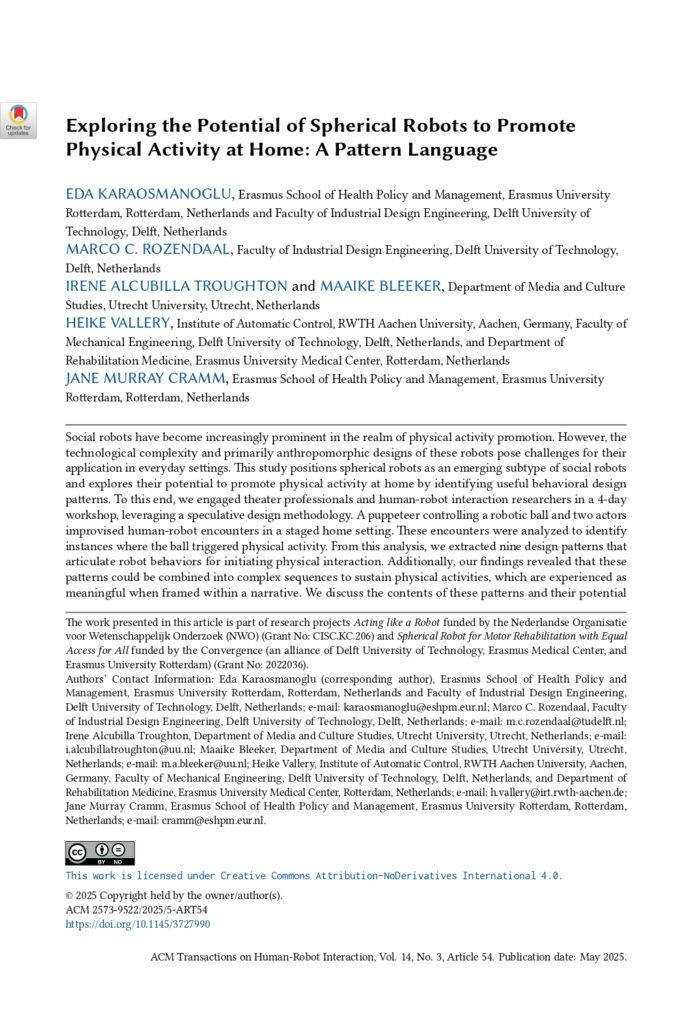
¹ Eda Karaosmanoglu, Marco C. Rozendaal, Irene Alcubilla Troughton, Maaike Bleeker, Heike Vallery, and Jane Murray Cramm. 2025. Exploring the Potential of Spherical Robots to Promote Physical Activity at Home: A Pattern Language. J. Hum.-Robot Interact. 14, 3, Article 54 (June 2025), 26 pages. https://doi.org/10.1145/3727990
² Eda Karaosmanoglu, Marco C. Rozendaal, Heike Vallery, and Jane Murray Cramm. Imagining Care through Play: Exploring the Role of a Robotic Ball in Geriatric Care Contexts. (Forthcoming)
³ Marco C. Rozendaal, John Vines, Maaike Bleeker, David Abbink (2025, February). Rehearsing Robot-integrated Care Practices [Workshop]. Leiden, The Netherlands.