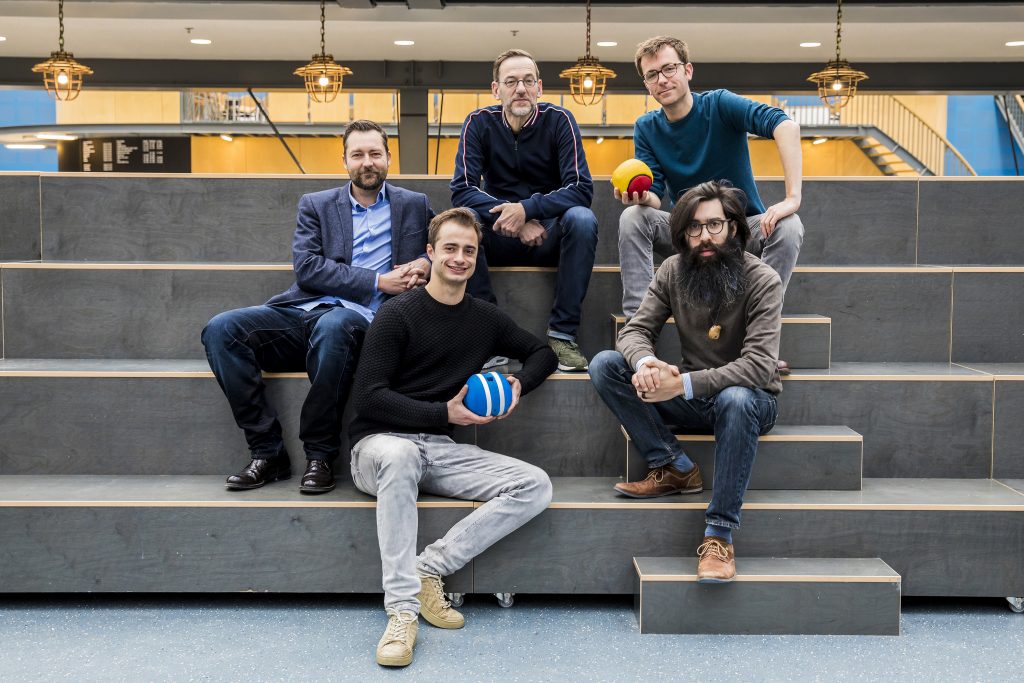
Fizzy Team
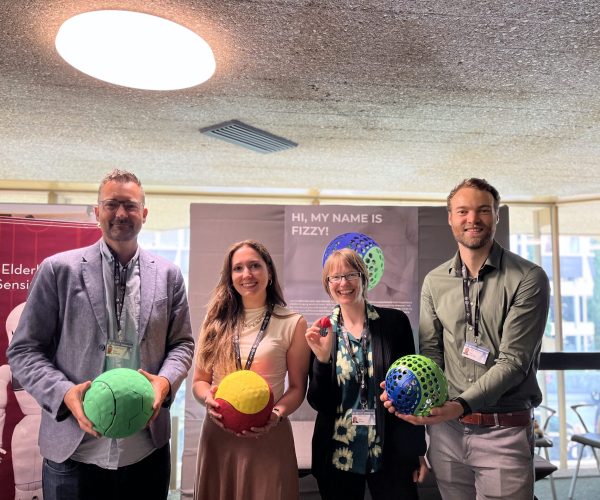
The fizzy ball project is connected to multiple universities. It started off at the TU Delft with the PhD from Boudewein Boon and is now being developed into an open-source project, with the collaboration of the RWTH (IRT department) and Convergence (a collaboration between TU Delft, Erasmus MC and Erasmus Rotterdam). The timeline gives an overview of the events and people involved in the project from 2016-2025.
Timeline
2025 - Maker Faire
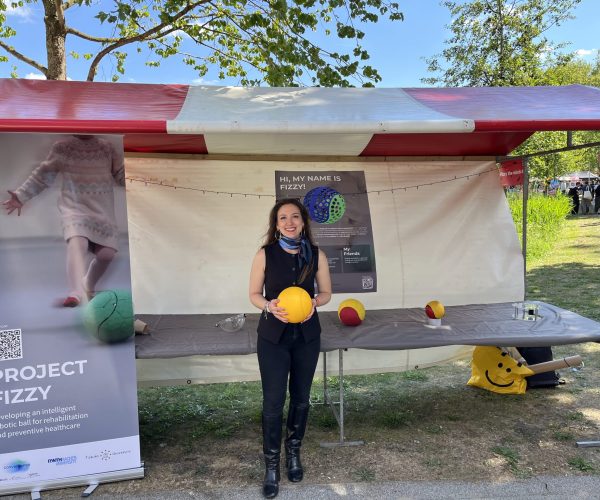
Showcasing the new version V3.0 at the Delft Maker Faire.
2025 Bart has continued his involvement with fizzy through convergence
2025 Nada has started her PhD
Summerschool RWTH 2025
Summerschool RWTH 2024
Collaboration with Giacomo and Simone on paper (Tilburg)
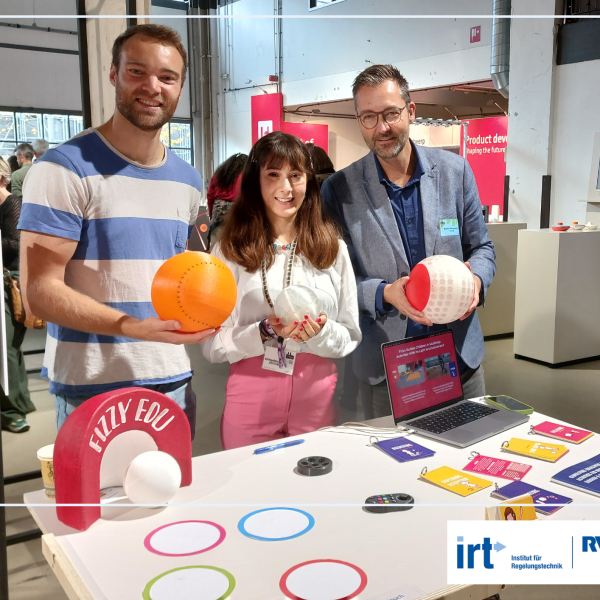
2024 - Dutch Design Week
Kumsal Kurt presented her Master Thesis at the dutch design week. “Stimulating Engagement in Therapeutic Activities for Neurodivergent Children through a Robotic Bal”
2024 - AI for Good
AI can be good for many things, including a robotic ball that needs to learn how to roll and interact with its surroundings.
2023 - V3.0
The start-up Luuno became inactive. Due to ongoing government measures affecting the healthcare sector, no subsidy funding was available for development projects. As a result, partner organizations in healthcare, including physiotherapy practices, foundations supporting children with disabilities, and even daycare centers, were unable to fulfill their agreements with Luuno, some of which had been in place for one to two years. Consequently, the existing and future funding opportunities for Luuno disappeared.
Luckily project Fizzy got a restart, not with the start-up, but within academia. As part of Convergence, a collaboration between the TU Delft, Erasmus Medical Center and Erasmus University Rotterdam, Eda Karaosmanoglu started her PhD focused on physical activity promotion among vulnerable populations.
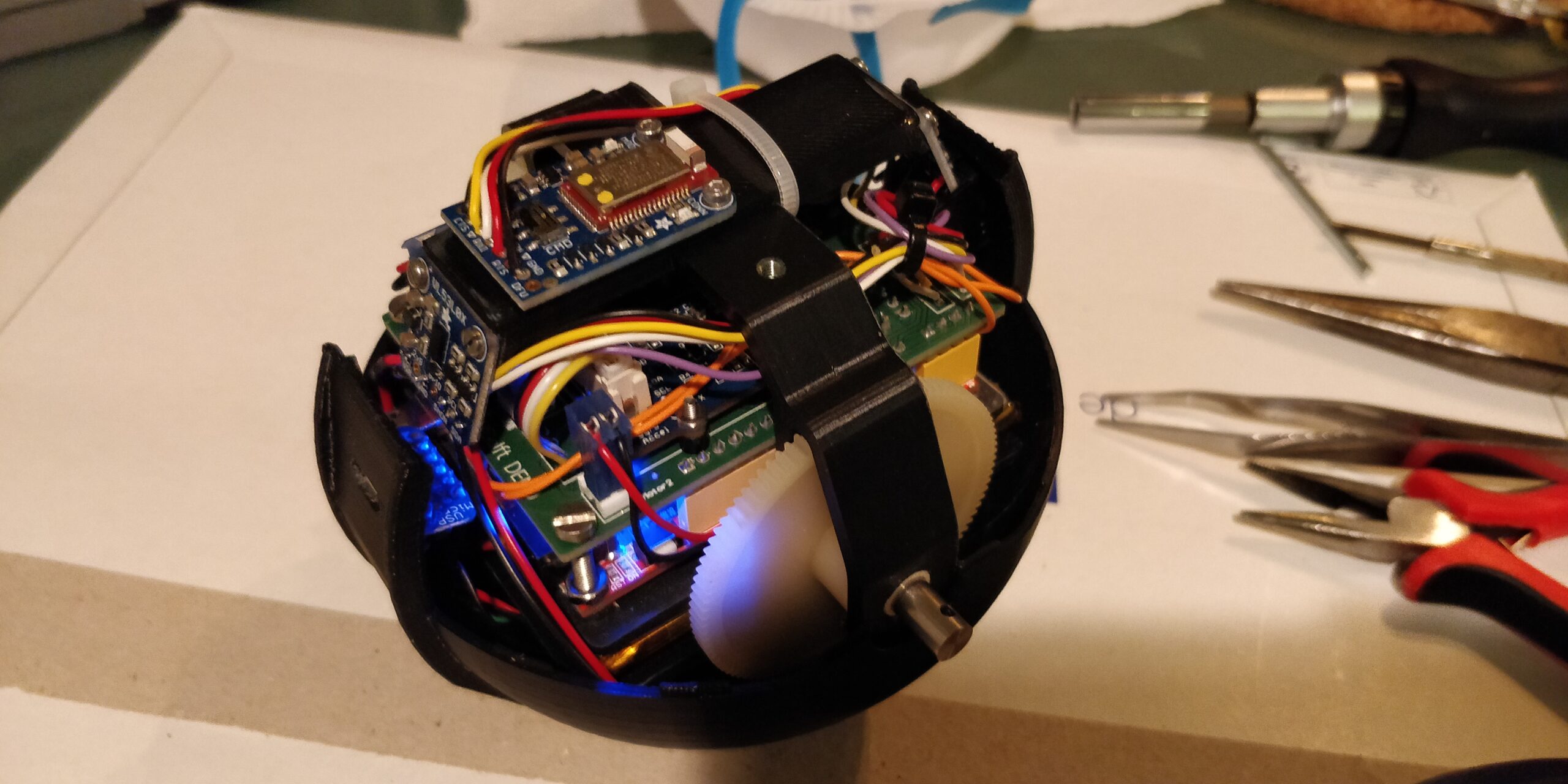
Bart Horstman joined the project as well, but as a master student under the supervision of Heike and Marco. The master thesis involved designing a robust internal mechanism for fizzy. For the new novel drivetrain that resulted from the thesis a patent was filed, but similar to the previous patent not continued.
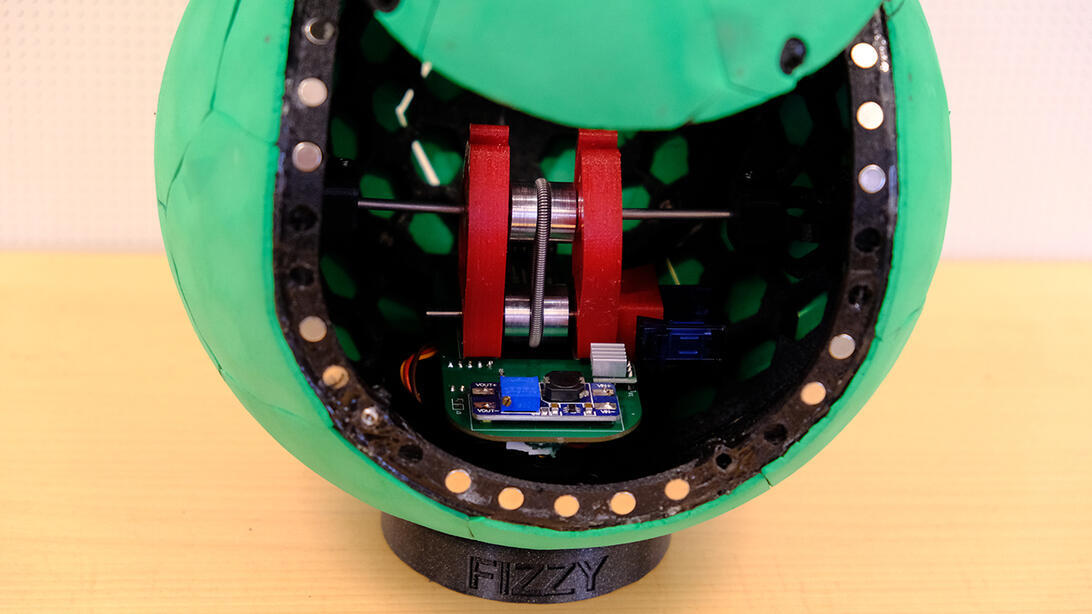
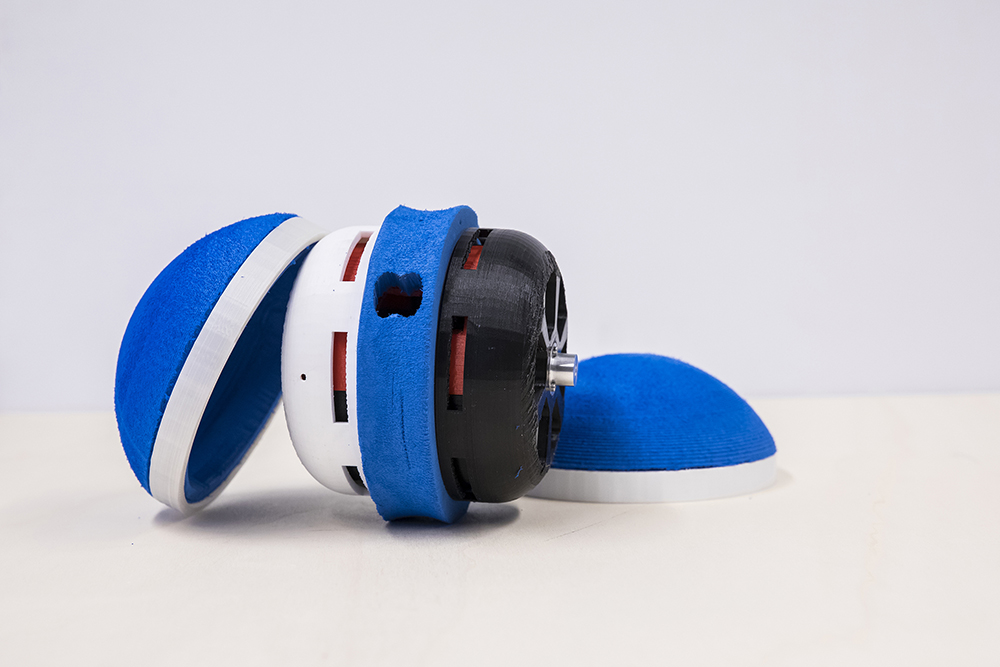
Heike became the head of the IRT department at the RWTH in Aachen. Extending the collaboration between the universities and employing Bart after his master thesis to continue the work in Aachen for one year. In Aachen a new outer shell was developed in collaboration with Robin Taborsky from the IRT department. PCB design and firmware was realized with the help of Michael, version 3.0 was born.
2022 - V2.0
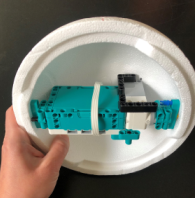
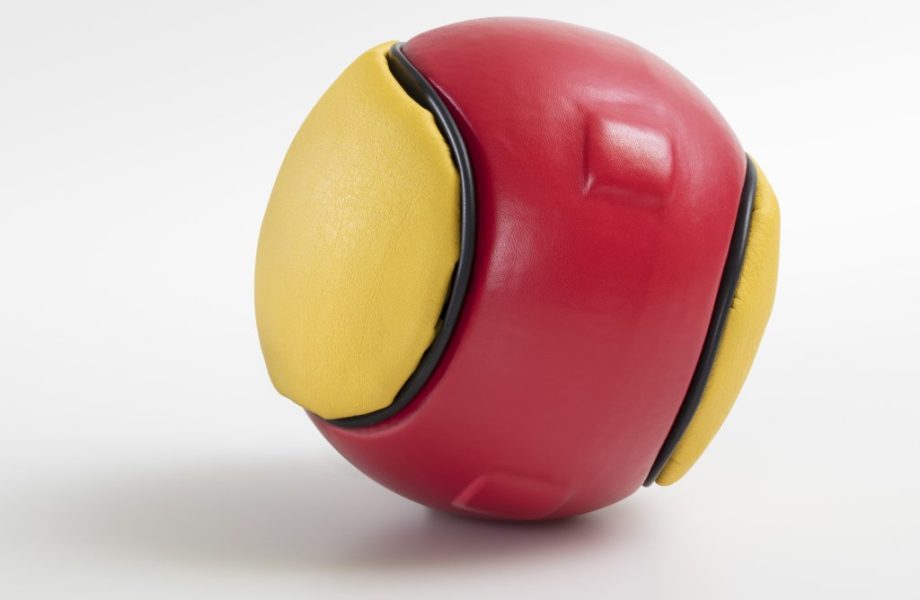
A new underactuated drivetrain mechanism was developed by Heike and Michael. Testing it out with Lego Mindstorms “Inventor” set and a foam shell (Version 2.0). Revolutionizing the ball to be low-cost and playful. A patent was filed for the new mechanism but not followed through. It is open to be used by any one. Link to blog post 2022
Zasha van Hijfte master thesis
2021
Fizzy was featured in a documentary about robots and society, during which Chiwei met Heike Vallery. The two soon began exchanging ideas for the further development of Fizzy, including discussions about a locomotion issue that Chiwei had encountered. Heike proposed a promising solution, which quickly led to a collaborative partnership.
2020
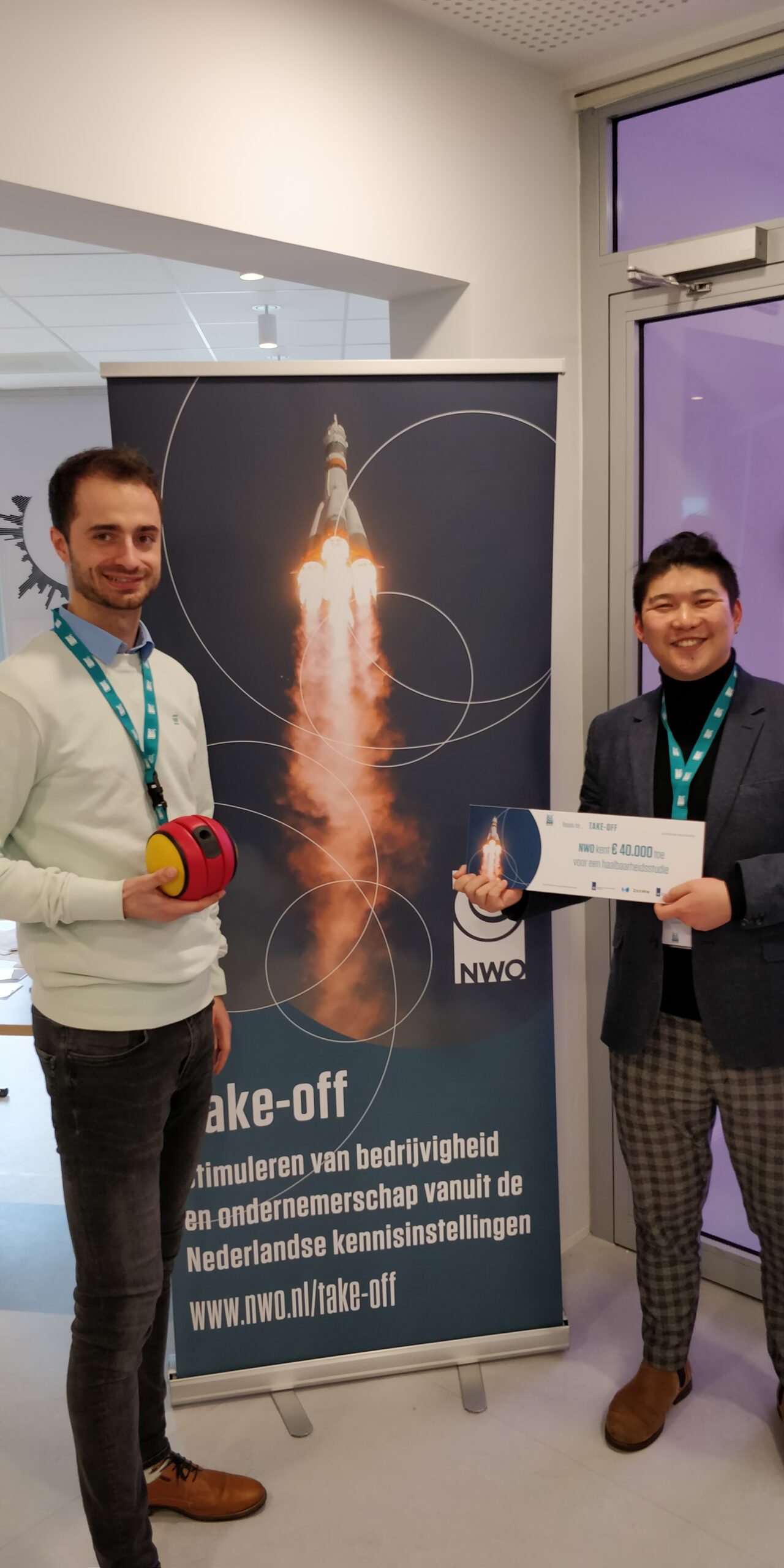
In 2020, the team received funding from NWO’s Take-off Phase 1 – Feasibility Studies for Universities. This funding enabled the development of an initial prototype of Fizzy designed to demonstrate intelligence and behavioral interaction.
Unfortunately, this was also the year marked by the global impact of Covid-19. As a result, Tino had to step away from the project, and hospitals were unable to engage in any collaborative efforts.
2019
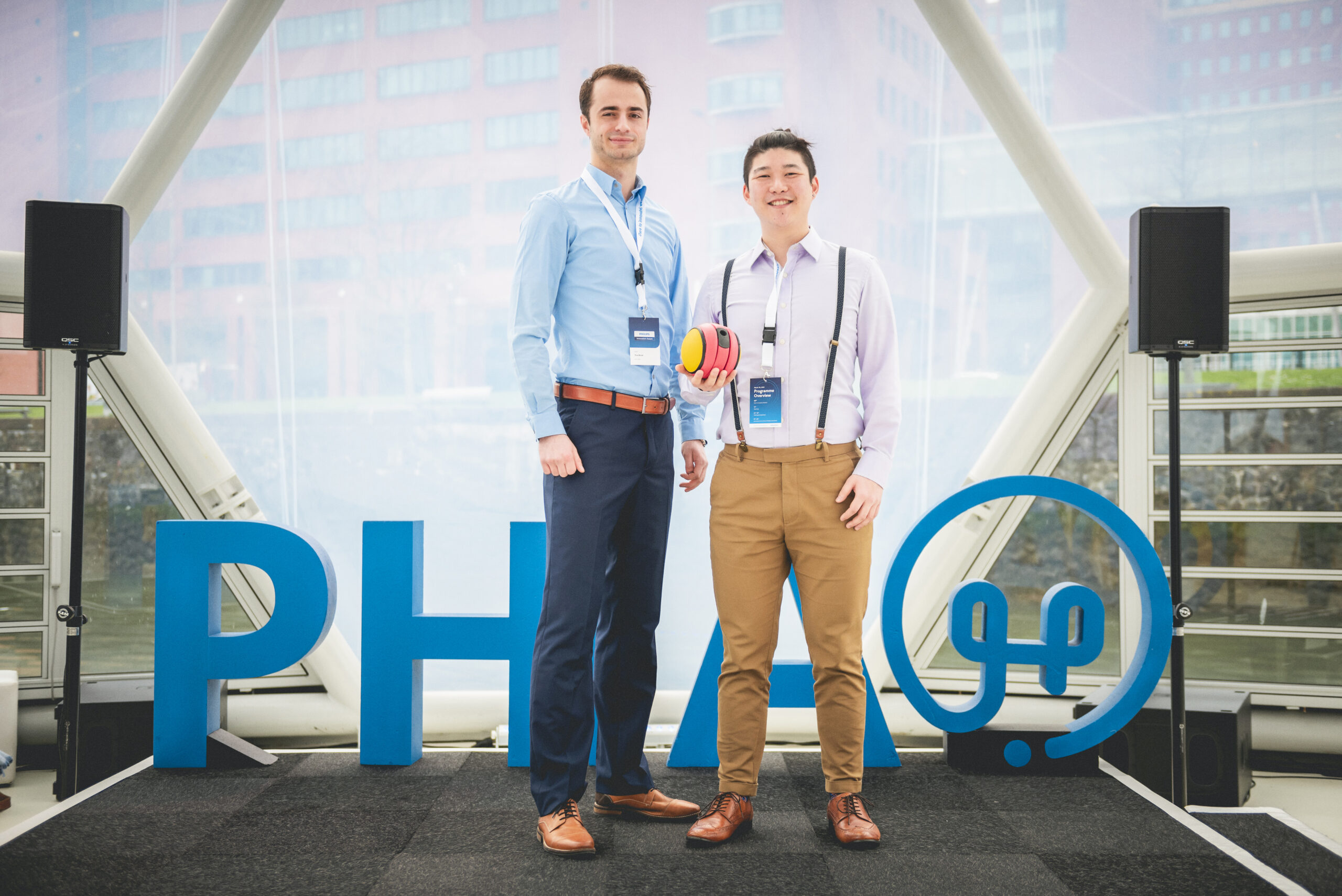
In the first few months, Chiwei and Tino participated in the 2019 Philips Innovation Award startup competition, where their project became one of the finalists. An interview with RTL Z was recorded on the day of the final.
Following this, Fizzy and Luuno went through the Yes!Delft + EIT Health Validation Lab program to be validated as a para-medical technology at the European level. During this process, research was conducted to explore whether Fizzy could support rehabilitation and physiotherapy, including applications for children with disabilities.
2018 - V1.2
After graduating in early 2018 (thesis), Chiwei was invited to collaborate on the further development and design of the autonomous version of Fizzy, a continuation of the robotics minor.
By the end of 2018, the “Meedoen=Groeien!” (Participate=Grow!) project and its funding came to an end. The project concluded with a final symposium, where the team made a strong impression on attendees. Having successfully encouraged free play and active exercise among children, the project had achieved meaningful results, though it appeared to have reached its conclusion.
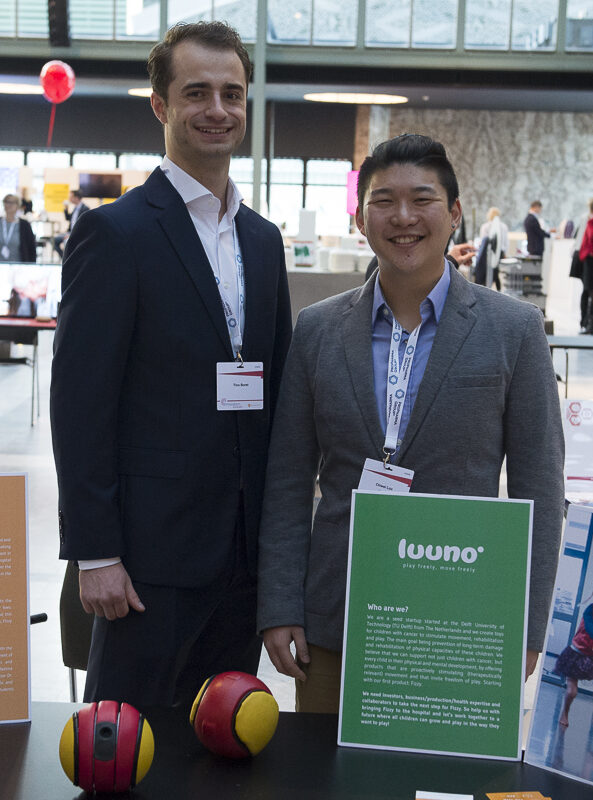
This experience inspired Chiwei and Tino to take Fizzy further. Motivated by the potential they saw in the concept, they began planning the creation of a start-up centered around Fizzy and named it Luuno.
2017 - V1.0
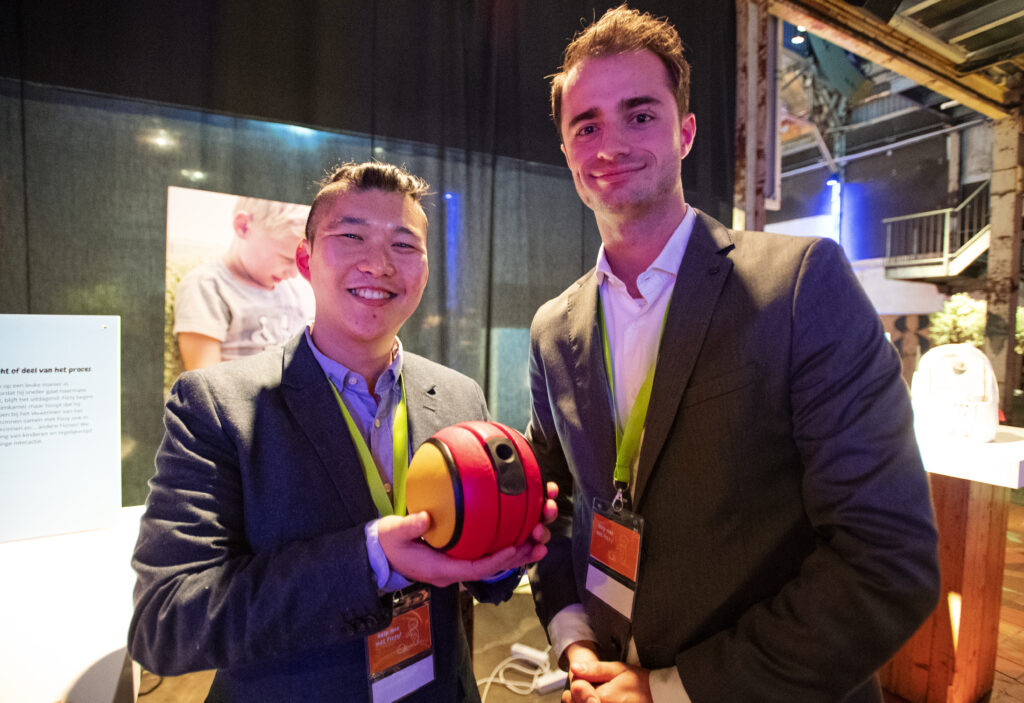
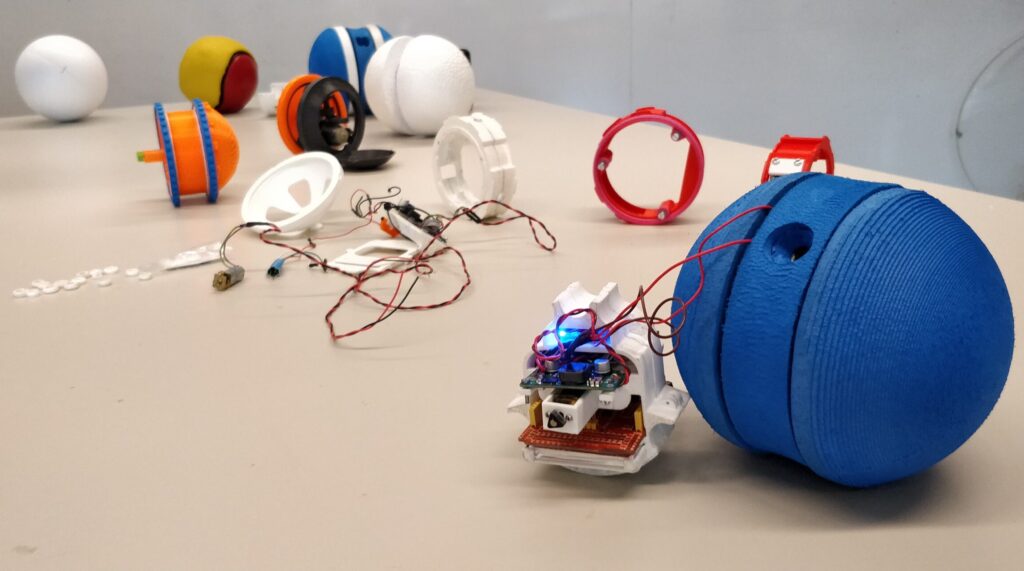
Chiwei Luu started his graduation project with Marco and Boudewijn on stimulating physical play in children with cancer. Together with Bouwdewijn and Marco they helped Fizzy being part of the Robotics Minor at the TU Delft with Fizzy as case study. The outcome of the minor was a new prototype version 1.0 (blue ball in the pictures). Tino Borst was one of the students of the minor and afterwards started working on the project together with Chiwei.
2016 - V0
Boudewijn Boon started his PhD research. His work was part of ‘Meedoen = Groeien’, a collaboration between Princess Máxima Centre, HandicapNL and TU Delft, aimed at promoting the development and quality of life of children with cancer within the context of their families.
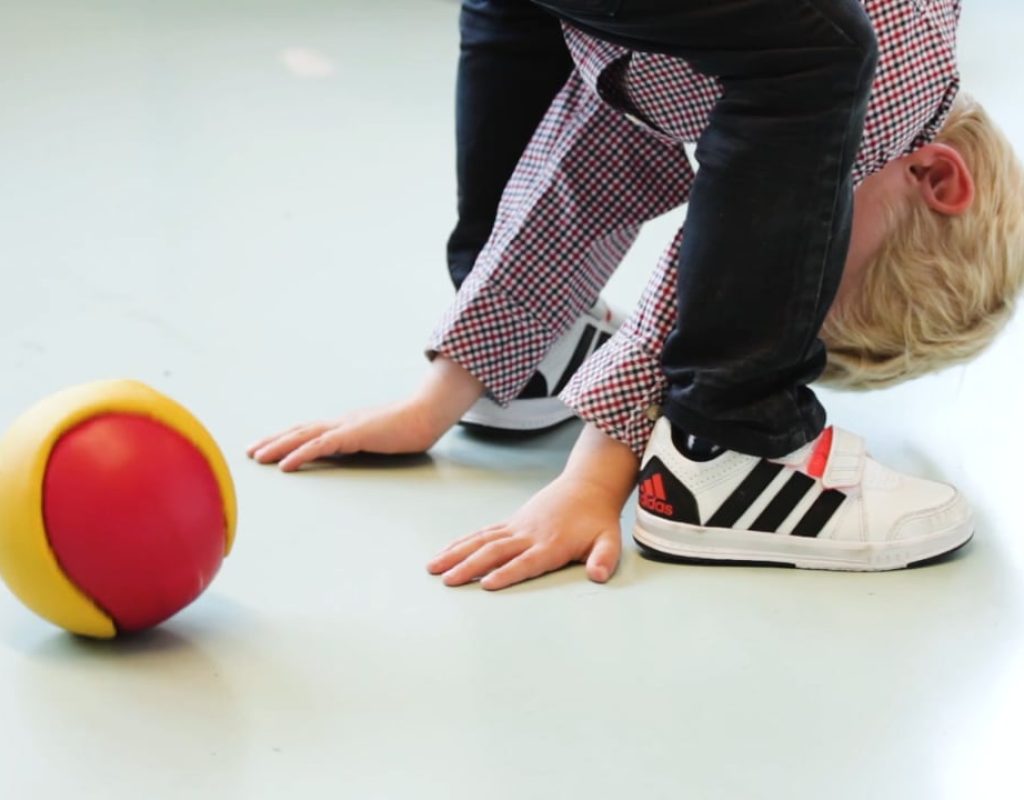
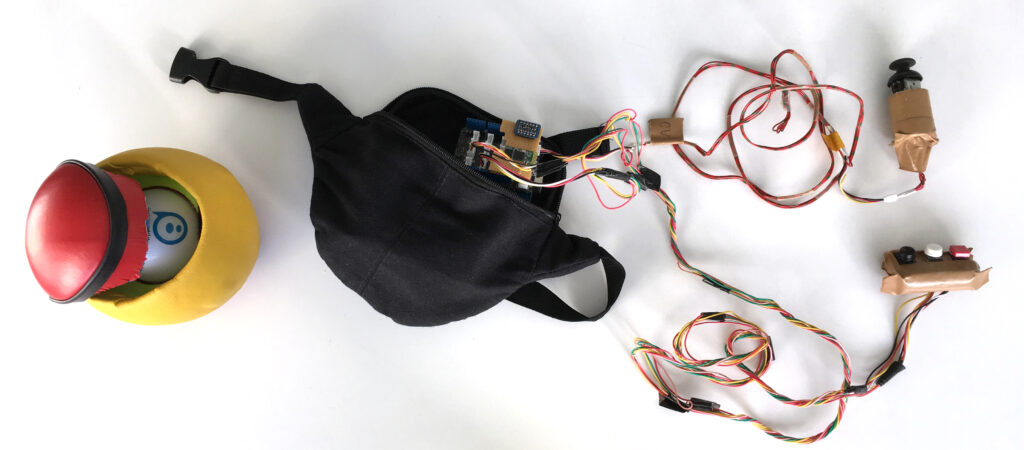
Fizzy was conceived during his PhD research as part of the Playscapes design framework, which explored how designers can stimulate young children’s physical activity in the form of unstructured and spontaneous play. Designed as an ambiguous ball-creature hybrid, Fizzy embodied this framework while also contributing to Marco Rozendaal’s work on “Objects with Intent”. Fizzy consisted of a Sphero (commercial robotic ball) inside a foam casing and an Arduino-based Bluetooth controller (Version 0). Using a Wizard-of-Oz approach, Boudewijn explored whether and how Fizzy stimulated physical activity and play in hospital settings, thereby also revealing what could be achieved with a fully functional prototype in the future. Link to blog post 2020
Complete thesis: Playscapes: Creating Space for Young Children’s Physical Activity and Play